Audience Note: This guide is specifically designed for digital marketers, content creators, and SEO publishers navigating the AI-driven video landscape in early 2026.
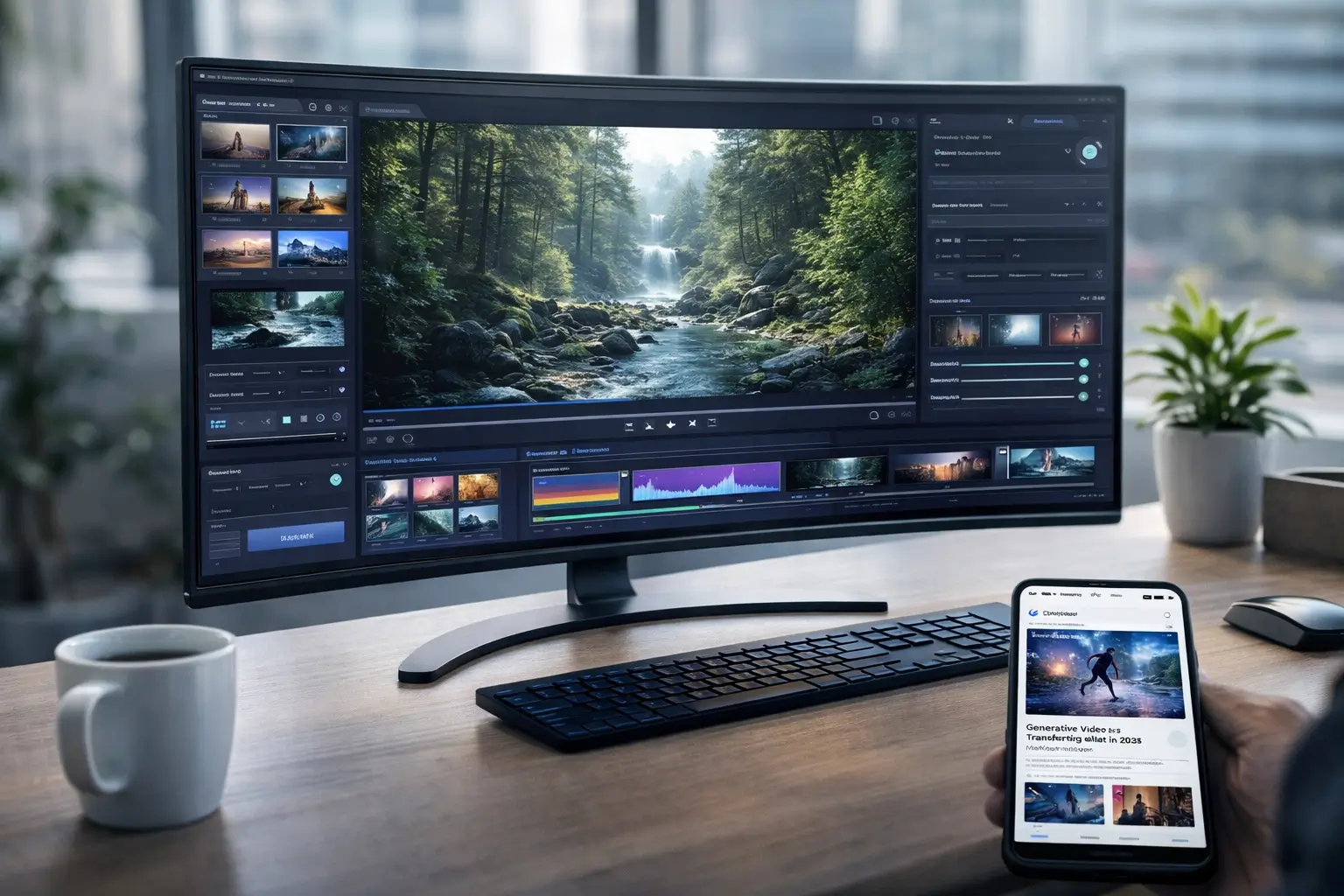
In 2026, video is no longer produced — it is generated. The boundary between imagination and digital reality has officially dissolved. If 2024 was the year of AI experimentation, 2026 is the year of Generative Video Dominance. At the heart of this shift is OpenAI’s Sora ecosystem.
As we move through March 2026, the marketing landscape feels fundamentally different. We aren’t just talking about “cool AI clips” anymore. We are looking at a total overhaul of how brands communicate and build trust. Here is how the Sora revolution is rewriting the digital marketing playbook with a focus on practical application.
1. Hyper-Personalization: Beyond “One-Size-Fits-All” Ads
The days of spending massive budgets on a single 30-second commercial are fading. With Sora 2’s improved API capabilities, marketers are now creating personalized video streams for individual segments.
Early case studies from enterprise advertisers suggest increases of up to 40% in conversion rates for certain Tier 1 segments. Instead of one generic ad, a sneaker brand can now generate variations based on a viewer’s local weather or interests. This level of contextual relevance is the new standard for high-performing campaigns.
2. Trust & E-E-A-T: Navigating the “AI-Slop” Challenge
In 2026, trustworthiness (the ‘T’ in E-E-A-T) is the most critical ranking factor. With the surge of generative content, search engines have become experts at filtering out low-effort AI “slop.”
To maintain authority, publishers must blend AI efficiency with human expertise. Google’s 2026 algorithm rewards transparency. Brands that succeed are those that use Sora to visualize complex data or provide “behind-the-scenes” simulations, while always maintaining clear AI-disclosure watermarks. Trust isn’t just about the visual; it’s about the expertise behind the prompt.
3. Practical Applications: How Publishers Can Use Sora Today
Visionary ideas are great, but how do you actually use this technology for your website? Here are three practical ways publishers are winning in 2026:
- Google Discover Magnetism: Use Sora to create high-quality, 10-second “Hero Videos” for your articles. Dynamic thumbnails are proven to increase Click-Through Rates (CTR) significantly compared to static images.
- Landing Page Demos: Instead of long text descriptions, use AI-generated product walkthroughs. This keeps users on the page longer, improving your “dwell time” SEO metric.
- YouTube Shorts & Reels: Repurpose your long-form blog posts into Sora-generated visual stories. This creates a multi-channel presence with 80% less production time.
4. Industry Speculation: Looking Toward Sora 3
While Sora 2 is the current workhorse, industry speculation is already heating up regarding Sora 3. Analysts suggest the next iteration might offer native 8K resolution and persistent character consistency across different scenes.
For marketers, this means moving from “short clips” to “long-form narrative marketing.” The ability to maintain a consistent brand character across multiple videos without expensive reshoots will be a game-changer for small-to-medium businesses.
Final Verdict for Digital Publishers
The Sora revolution isn’t just a new tool; it’s a new language of commerce. By blending human creativity with generative power, you can create experiences that were impossible two years ago. The goal isn’t to replace the creator, but to augment the vision. For publishers in 2026, the strategy is simple: Use AI for scale, but keep human expertise for soul.
🛠 Deep Dive: The AI Confidence Gap: Why Understanding LLMs is No Longer Enough for Modern Engineering Jobs







1 comment