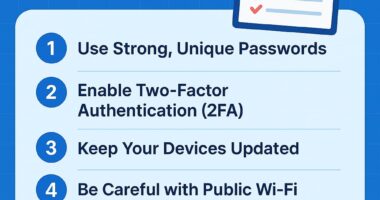

Today’s AI-generated content is nearly indistinguishable from reality. As a result, the old idea that “seeing is believing” is becoming dangerously outdated. If you feel overwhelmed by the rapid evolution of AI, you aren’t alone. From voice cloning that mimics your family members to hyper-realistic video calls used for corporate espionage, the threats are real.
But here is the good news: being informed is your best defense. According to recent cybersecurity reports, deepfake-related fraud cases increased by over 300% between 2024 and 2026 as AI voice cloning tools became widely accessible to the public. Let’s break down how you can build a digital fortress around your identity.
Understanding the Threat: What Are Deepfake Scams?
Deepfakes use generative AI to create fake audio, images, or videos that look and sound like real people. In the past year, we have seen a massive surge in what experts call “Social Engineering 2.0.” Scammers aren’t just sending phishing emails anymore; they are calling you using your daughter’s voice or joining Zoom meetings disguised as your CEO.
1. Voice Cloning (The Emergency Scam)
This is perhaps the most chilling application of AI. With just a few seconds of audio harvested from a social media post, modern AI systems can replicate your voice, accent, and emotional tone with terrifying accuracy. Scammers then call loved ones pretending to be in an emergency, asking for immediate wire transfers.
2. Visual Identity Theft
Using high-quality video synthesis, criminals can bypass facial recognition systems or create fake “proof of life” videos. For professionals, this often manifests as fake “Executive” video messages asking employees to share sensitive data or authorize urgent payments.
Expert Insight: Cybersecurity agencies like the FBI and Interpol have increasingly warned that “Digital Skepticism” is no longer optional—it is a survival skill in the AI era.
How to Protect Your Identity: 5 Essential Strategies
Quick Security Checklist
- Set a secret family code word.
- Limit public voice and high-def video content online.
- Enable hardware-based Multi-Factor Authentication (MFA).
- Verify all urgent financial requests through a second, trusted channel.
- Install AI-powered deepfake detection software.
1. Establish a “Family Code Word”
In an era of voice cloning, the simplest tech-free solution is often the best. Establish a secret code word with your family members. If you receive a frantic call asking for money, ask for the code word. If they can’t provide it, hang up immediately—no matter how real they sound.
2. Secure Your Social Media “Bio-Assets”
Scammers harvest your voice and face from public profiles on TikTok, Instagram, and LinkedIn. Consider making your profiles private or being mindful of the high-definition audio you post. The less “data” you provide the AI, the harder it is for a machine to clone you.
3. Use Multi-Factor Authentication (MFA) Beyond SMS
SMS-based MFA is vulnerable to SIM swapping and AI interception. Use hardware security keys (like YubiKeys) or authenticator apps. In 2026, ensure “Liveness Checks” are enabled for biometric logins to prevent static photo spoofing.
4. Verify Before You Comply
Received an urgent video call from your boss asking for a bank transfer? Don’t do it on that call. Hang up and contact them through a completely different channel—like a direct office line. Verification is the enemy of the scammer.
5. Use AI-Detection Tools
Some cybersecurity tools now use AI models trained to detect subtle visual inconsistencies, such as unnatural eye movement, lighting mismatches, or irregular audio frequencies that human viewers cannot easily detect. Using AI to fight AI is a key part of your 2026 defense strategy.
The Future of Digital Trust
As we navigate 2026, the line between human and machine will continue to blur. However, your identity is yours alone. By combining a healthy dose of skepticism with the right technical safeguards, you can enjoy the benefits of the AI revolution without becoming a victim of its dark side.
Frequently Asked Questions (FAQ)
Q: What exactly is a deepfake scam?
A: A deepfake scam uses AI-generated audio or video to impersonate a real person, usually to trick victims into sending money or revealing sensitive data.
Q: Can AI really clone my voice from a short clip?
A: Yes. Modern AI tools only need about 3 to 10 seconds of clear audio to create a convincing clone of your voice.
Q: Are there apps that can detect deepfakes?
A: Yes, several cybersecurity firms have released mobile and browser-based tools that analyze media for AI-generated artifacts in real-time.
Conclusion
Deepfakes are intimidating, but they rely on one thing: your panic. In the age of artificial intelligence, digital skepticism is becoming a survival skill. The more informed you are, the harder it becomes for scammers to manipulate you. Stay safe, stay skeptical, and keep your digital footprint secure.
🛠 Deep Dive: 7 AI Tools Professionals Are Using in 2026 to Automate Their Entire Workday