
Introduction
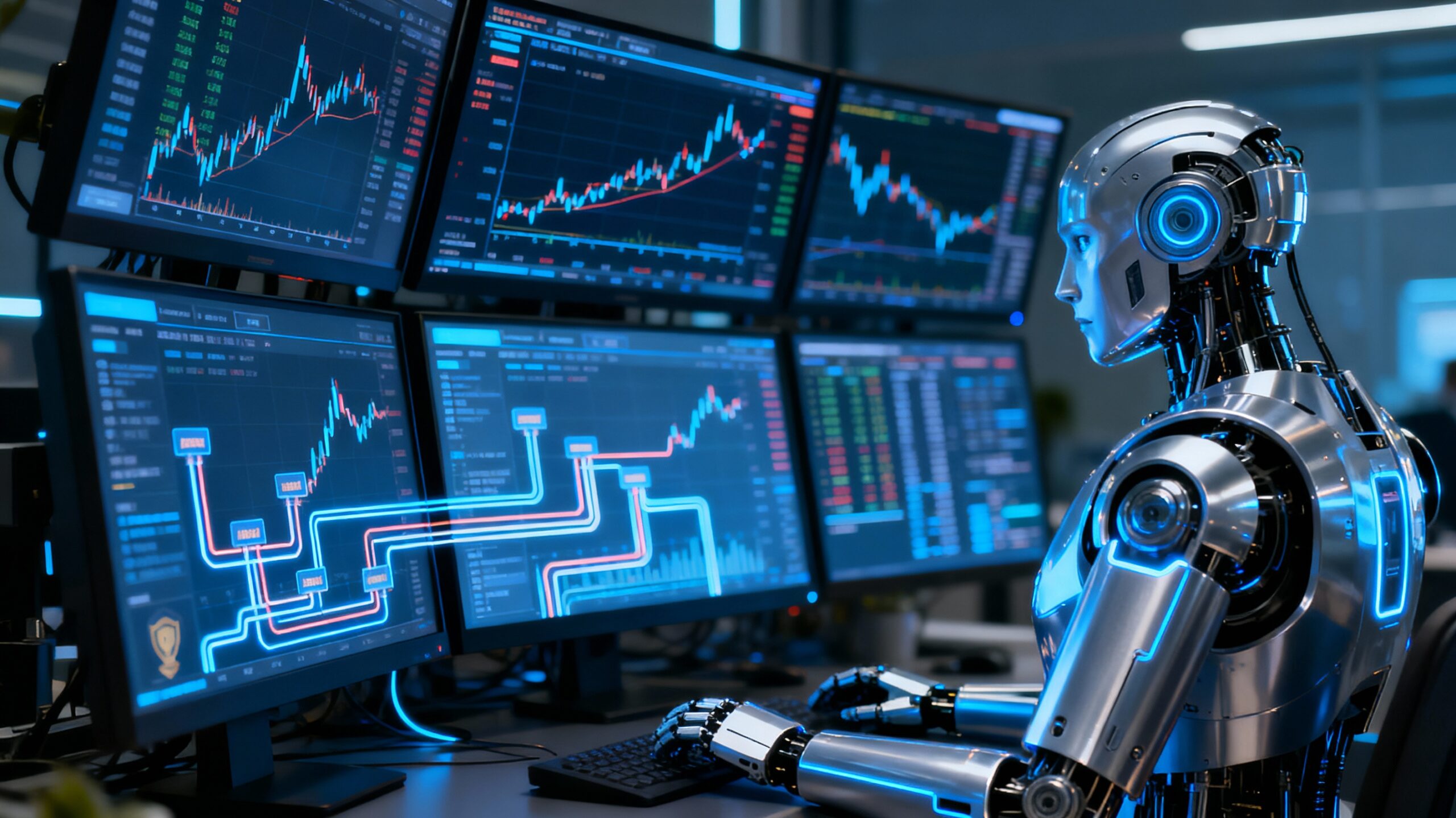
In recent years, the rapid evolution of artificial intelligence (AI) has sparked a rethinking of various sectors, most notably finance. This transformation is particularly prominent in high-frequency trading (HFT), where algorithms execute orders at lightning speeds to capitalize on minute fluctuations in market prices. With the rise of algorithmic arbitrage—the practice of exploiting price differences between markets—HFT is being redefined in ways previously thought implausible. This dynamic landscape not only reshapes how trades are executed but also introduces new dimensions of market volatility, compelling investment banks, regulators, and tech-savvy entrepreneurs to adapt.
Understanding High-Frequency Trading (HFT)
High-frequency trading employs sophisticated algorithms to execute a large number of orders at extremely high speeds. Traditional trading methods often slow down by macroeconomic factors, news releases, or human decision-making processes. HFT, however, allows traders to capitalize on small price movements that occur in milliseconds.
You need to understand the core components of HFT:
- Speed: The primary characteristic of HFT is its speed, with firms often collocating their servers close to stock exchanges to minimize latency.
- Automation: HFT relies entirely on algorithms programmed to follow specific strategies, eliminating the need for human intervention.
- Market Making: Many HFT firms operate as market makers, providing liquidity to the market by placing both buy and sell orders.
- Data Analysis: High-frequency traders analyze vast amounts of data to identify trading opportunities and make rapid decisions.
- Regulatory Scrutiny: As trading strategies become more complex, regulators are increasingly scrutinizing HFT practices to ensure fair market conditions.
The Role of AI in HFT
Artificial intelligence is revolutionizing the way trading strategies are developed and executed. Machine learning algorithms can analyze vast data sets, identifying patterns and trends that human traders might overlook.
Key Contributions of AI to HFT:
- Enhanced Predictive Analytics: AI is capable of making predictions based on historical data, helping traders make informed decisions more quickly.
- Risk Assessment: Machine learning algorithms continuously evaluate risk and adjust trading strategies to mitigate potential losses.
- Trading Strategy Optimization: By using AI, firms can dynamically adjust their strategies based on real-time data, optimizing trading performance instantaneously.
- Behavioral Analysis: AI enables traders to analyze market sentiment, gauging how social media trends or news reports affect trading patterns.
Incorporating AI into HFT allows firms to remain competitive, making this technology indispensable for modern trading environments.
Algorithmic Arbitrage: A New Frontier
Algorithmic arbitrage refers to the practice of exploiting price discrepancies between financial markets using automated systems. AI plays a crucial role in this complex process, allowing firms to identify and execute these opportunities faster than ever before.
Types of Algorithmic Arbitrage:
- Statistical Arbitrage: Involving the analysis of statistical correlations between various securities to capitalize on price discrepancies.
- Cross-Market Arbitrage: Exploiting price differences for the same security traded on different exchanges.
- Merger Arbitrage: Involves purchasing shares of companies that are targets of acquisition based on predicted market reactions.
Challenges and Opportunities
While algorithmic arbitrage opens significant avenues for profit, it also presents challenges. The complexity and speed of arbitrage can lead to market instability, especially if numerous traders act simultaneously. Moreover, aggressive arbitrage practices can trigger a price collapse, particularly in less liquid markets.
For you as a FinTech entrepreneur, recognizing these opportunities and challenges is critical. Developing robust algorithms that incorporate AI can help in leveraging arbitrage opportunities while managing the associated risks.
Market Volatility: Causes and Effects
Market volatility is a natural byproduct of trading activity and can be exacerbated by HFT and algorithmic trading methods. Understanding the causes of volatility is essential for effectively navigating investment strategies.
Key Causes of Market Volatility:
- Data Releases: Economic data releases can lead to sudden market movements, which HFT firms aim to exploit.
- Market Sentiment: Changes in investor sentiment, often driven by news, can result in rapid buying or selling.
- Liquidity: While HFT improves liquidity, it can create an illusion of stability. Rapid withdrawal of liquidity can lead to sharp price movements.
- Regulatory Changes: Changes in market regulations can induce volatility as firms adjust their strategies to comply.
The effects of increased volatility are profound. Prices can swing wildly, impacting investor confidence, and potentially leading to market corrections. For investment banks and regulators, managing this volatility becomes paramount to safeguarding market integrity.
Implications for Investment Banks and Regulators
Investment banks, as significant players in the HFT sphere, face unique challenges and responsibilities. As rapid trading continues to evolve, so does the scrutiny from regulatory bodies.
Concerns for Investment Banks:
- Operational Risks: The speed of HFT presents serious operational challenges. Errors in algorithmic trading can lead to significant losses.
- Market Manipulation: Regulatory bodies are increasingly looking for signs of manipulation, making compliance a top priority for investment banks.
- Competitive Pressure: As technology advances, investment banks must continuously innovate to maintain competitive advantages.
Regulatory Considerations:
Regulators around the world are grappling with the implications of HFT on market stability. New frameworks aim to address concerns around transparency, liquidity, and competition.
- Increased Oversight: Firms may face stricter reporting requirements to ensure transparency in trading practices.
- Limitations on HFT Practices: Some exchanges are considering limiting the types or speeds of transactions to curb volatility.
- Consumer Protection: Ensuring that everyday investors are not adversely affected by the high-speed trades of institutional investors is a major regulatory focus.
As a FinTech developer, understanding these regulatory landscapes is crucial for creating compliant and efficient trading platforms. Collaboration with regulatory bodies can foster an environment that promotes innovation while protecting market integrity.
Navigating the Future: Strategies for Success
In this rapidly changing environment, adopting adaptive strategies becomes vital for your success in the financial industry. Here are some actionable insights:
Innovate with AI:
Investing in AI technology will help you enhance trading algorithms, allowing for quicker responses to market movements. Consider partnerships with AI companies or investing in in-house talent to lead research and development.
Embrace Collaboration:
Engage with regulatory bodies to ensure compliance while maintaining competitive edges. Developing transparent, robust systems will build trust with investors and regulators alike.
Develop Risk Management Protocols:
Robust risk management frameworks should rise to the forefront of your trading strategies. Limit potential losses with well-defined protocols, leveraging AI for real-time assessments.
Invest in Education:
As markets evolve, so should your knowledge and skills. Provide educational resources for your team that encompass advanced trading strategies, risk management, and regulatory compliance.
Focus on Transparency:
Transparency in trading practices will not only help mitigate regulatory scrutiny but will also build trust with clients and investors. Develop methods for clear reporting of trading activities to stakeholders.
The Generational Shift in Finance
Today’s financial landscape is distinctly shaped by the emergence of a tech-savvy generation. Young traders and investors are unearthing new opportunities, and their influence on market dynamics is impossible to ignore.
Technology-Driven Trading:
Young investors are gravitating toward platforms that offer cutting-edge technology, emphasizing accessibility and ease of use. By harnessing mobile apps and AI-driven functionalities, traders can capitalize on market opportunities on the go.
Community Engagement:
The power of social media is redefining investment strategies. From discussions on platforms like Reddit to influencers on TikTok, new communities are shaping investment trends, adding more dimensions to market sentiment.
Focus on Sustainability:
Younger investors increasingly favor sustainable, socially responsible investments. This shift is resulting in the rise of ESG (Environmental, Social, and Governance) investing, pushing firms to adapt their strategies.
Embracing Innovation:
To stay relevant, investment professionals must prioritize innovation. Young traders demand continuous improvements in technology, methodologies, and customer service.
As a leader in the financial space, adapting to these trends is not just beneficial—it’s essential for long-term viability.
Conclusion: Embracing a New Era in Trading
The intersection of AI and high-frequency trading is creating an exciting yet challenging environment for industry players. As algorithms redefine trading practices and market volatility continues to shift, there lies an immense opportunity for those who adapt.
Embracing the technologies and philosophies that underpin modern finance will enable you to navigate these changes effectively. Fostering innovation, collaboration, risk management, and transparency will propel you forward in a market that demands nothing less than excellence.
As AI reshapes the landscape of finance, being at the forefront of this revolution will determine your success as a trader, banker, or innovator. The age of algorithmic arbitrage is here, and the winner of this war will be the one who embraces change with open arms.