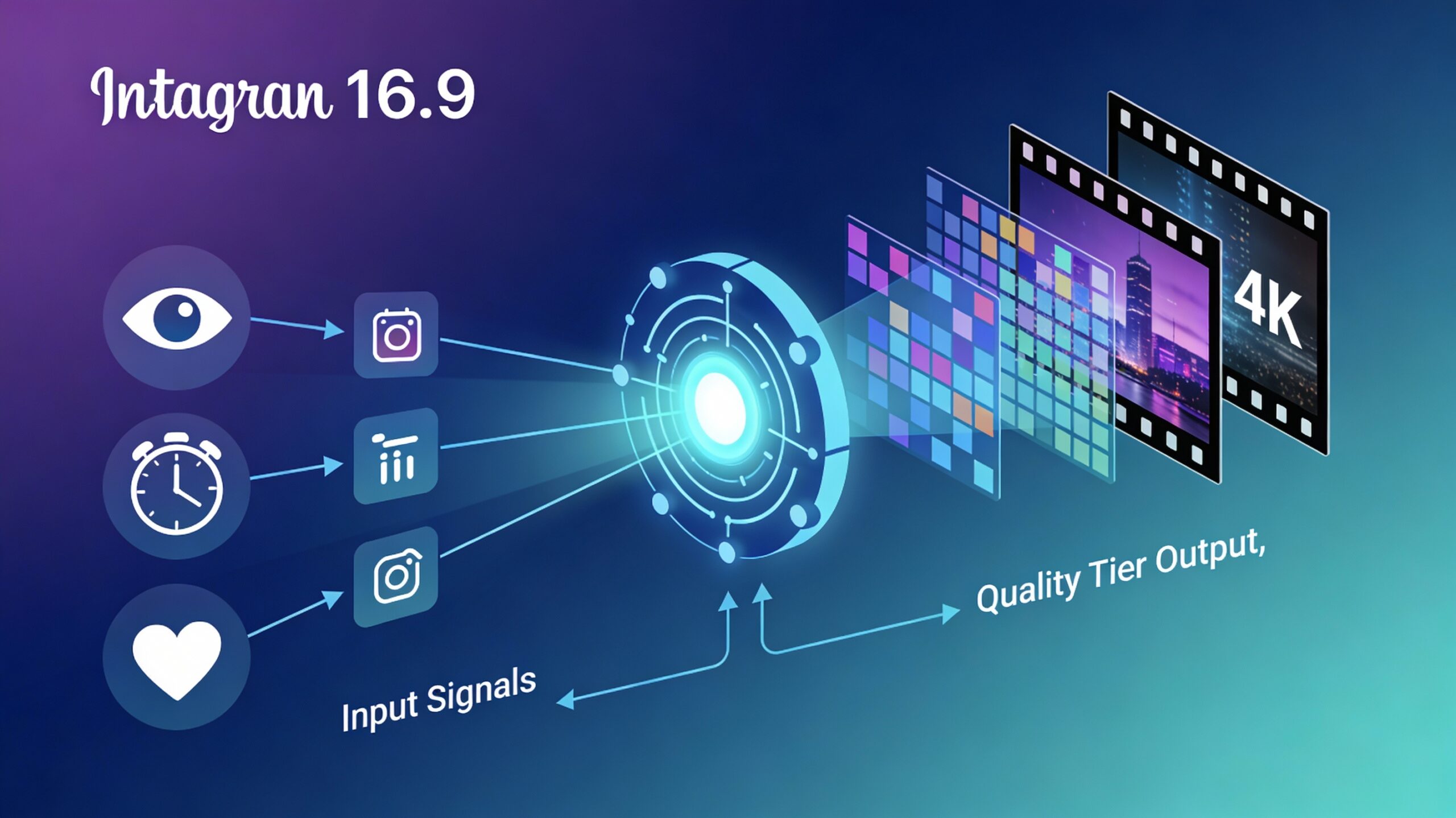

Quick Summary: Instagram has confirmed that video quality is now dynamic. High-engagement videos get higher resolution, while low-view videos may appear blurry to save server resources.
Why Your Instagram Videos Look Blurry: IG Reveals Its New Strategy Based on Views
If you have noticed that some Instagram videos look crisp while others appear blurry or low quality, you are not alone. Instagram has recently clarified that video quality on the platform is now influenced by views and engagement, not just upload settings. This shift reflects a broader strategy focused on performance-based resource allocation.
This article explains why Instagram videos may look blurry, what Instagram’s new strategy involves, and how creators can adapt.
Why Instagram Videos Look Blurry
It Is Not Always Your Camera or Internet
For years, blurry Instagram videos were blamed on poor lighting, weak internet connections, or incorrect export settings. While those factors still matter, Instagram has confirmed that platform-level decisions also affect video quality after upload.
In other words, even a high-resolution video can appear blurry if Instagram chooses not to allocate additional processing resources to it.
Adaptive Video Quality on Instagram
Instagram uses adaptive video encoding, which adjusts resolution and bitrate based on several signals. These include:
-
Viewer demand
-
Playback performance
-
Device and network conditions
Recently, engagement metrics—especially views—have become a key signal.
Instagram’s New Strategy: Quality Based on Views
More Views, Higher Quality Processing
Instagram has revealed that videos receiving higher view counts and engagement are more likely to be served in higher quality. Popular videos are reprocessed or streamed at higher resolutions, while low-performing videos may remain at a lower quality level.
This approach helps Instagram manage massive infrastructure costs while prioritizing content that users are actively watching.
Why Instagram Is Doing This
Video is expensive to deliver at scale. High-resolution video requires more storage, bandwidth, and processing power. By tying video quality to views, Instagram can:
-
Reduce unnecessary resource usage
-
Optimize performance across regions
-
Prioritize content with proven audience interest
This strategy mirrors approaches used by other large-scale streaming platforms.
What This Means for Creators
New Creators May See Blurry Videos
Smaller accounts or newly posted videos may initially appear blurry because they have not yet generated enough engagement. This does not mean your content is being penalized; it means Instagram is waiting for signals of viewer interest before upgrading quality.
Once a video gains traction, quality often improves automatically.
Engagement Now Affects Visual Quality
Likes, comments, shares, watch time, and replays all contribute to whether Instagram considers a video worth higher-quality delivery. Engagement is no longer just about reach—it now influences how your content looks.
How to Improve Video Quality on Instagram
Optimize Upload Settings
Even with Instagram’s new strategy, creators should still:
-
Upload in 1080p or higher
-
Use recommended aspect ratios
-
Avoid excessive compression during export
A high-quality source file gives Instagram more flexibility if the video performs well.
Focus on Retention and Watch Time
Since views and engagement matter, creators should prioritize:
-
Strong hooks in the first 3 seconds
-
Clear visuals and readable framing
-
Content that encourages replays
The longer viewers watch, the more likely Instagram is to boost quality.
The Bigger Picture: Performance-Driven Platforms
Instagram Is Becoming More Algorithmically Efficient
This change reflects a broader trend across social platforms: performance-based optimization. Content that proves its value earns more distribution, better quality, and more visibility.
Quality Is No Longer Guaranteed
On Instagram, video quality is no longer fixed at upload. It is dynamic, adaptive, and increasingly tied to how audiences respond.
Conclusion
If your Instagram videos look blurry, it may not be a technical mistake—it may be part of Instagram’s new strategy. By linking video quality to views and engagement, Instagram is optimizing resources while rewarding content that resonates with users.
For creators, the takeaway is clear: engagement now affects not just reach, but visual quality itself. Creating content that captures attention quickly and keeps viewers watching is more important than ever.
Related Post: [Google Project Jarvis: The AI Agent That Can Control Your Chrome Browser]