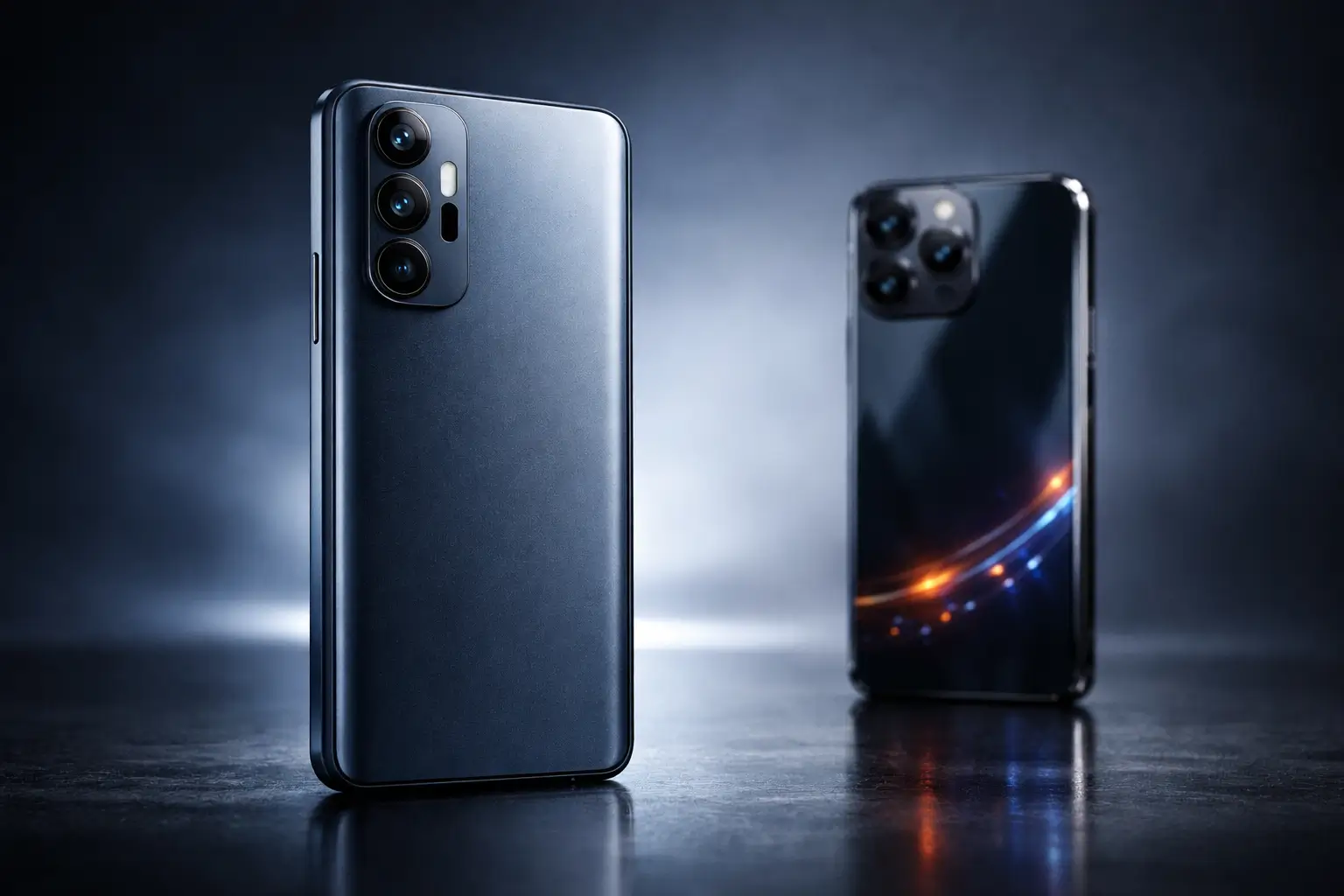

There was a time when choosing a mid-range smartphone felt like a compromise. You accepted a slower processor, a dimmer screen, and a plastic build just to save a few hundred dollars. But as we move through 2026, that compromise has vanished. The “Mid-Range Titan” has arrived, and it’s making the $1,200 flagship look like an unnecessary luxury.
The Performance Gap Is Disappearing
In previous years, the gap between a flagship chip and a mid-range one was a canyon. Today, it’s a crack in the sidewalk. With the rise of high-efficiency processors like the latest sub-flagship processors, the everyday experience is virtually identical across price points.
Whether it’s multitasking between heavy apps, high-frame-rate gaming, or AI-driven photo processing, these modern mid-tier devices handle it without breaking a sweat. For 90% of users, the extra raw power in an “Ultra” or “Pro Max” model remains dormant and unused, making the “value-for-money” performance of mid-range devices the more logical choice.
Display and Build Quality Catch Up
The premium feel used to be the final stronghold of the flagship. However, looking at the latest smartphone releases in early 2026, that wall has crumbled. Manufacturers are now bringing high-end aesthetics to the $500–$600 price bracket.
Premium Panels for Everyone
We are now seeing LTPO AMOLED displays—once a flagship exclusive—becoming standard in the mid-range. These screens offer adaptive refresh rates and peak brightness levels that make outdoor visibility effortless. When you hold a modern mid-range device with its curved glass or high-quality vegan leather back, the “premium” distinction becomes a matter of branding rather than physical quality.
The Battery Revolution: Efficiency Over Ego
Perhaps the most surprising trend in 2026 is that mid-range phones are often outlasting their more expensive siblings. While flagships are forced to sacrifice battery space for massive camera sensors and complex periscope lenses, mid-range “Titans” are focusing on pure endurance.
Industry testing trends show that mid-tier devices utilizing new Silicon-Carbon battery technology are consistently hitting two-day battery life. Coupled with 100W+ fast charging that comes included in the box (unlike many flagships), the practical advantage of owning a mid-range device has never been clearer.
Are Flagships Still Worth It?
According to long-term smartphone testing trends and consumer feedback, the “Law of Diminishing Returns” has never been more visible. In real-world use, that 10% improvement in camera optics or zoom often comes with nearly double the price tag.
The flagship tier is shifting into a “specialist” category—for professional mobile photographers or those who want a status symbol. For the rest of us, the mid-range market provides everything we need without the financial burden.
Conclusion: Rethink Your Next Upgrade
The 2026 smartphone landscape proves that you no longer have to pay a premium to get a premium experience. The “Titans” have caught up, and in many ways, they are leading the charge in practical innovation.
What do you think? Are you sticking with the big-name flagships, or is your next phone going to be a mid-range powerhouse? Let us know your thoughts in the comments below!
Read Also: Beyond Chatbots: 5 Practical Ways to Use Agentic AI for Daily Workflow Automation







1 comment