If you’ve been hearing buzzwords like “Q-Day” or “Quantum Cryptography,” you might be wondering if your digital life is about to be exposed. Don’t panic yet. That’s exactly where Post-Quantum Encryption (PQE) comes in. It is the upgraded armor we need for the next era of the internet.
The Growing Shadow of the Quantum Threat
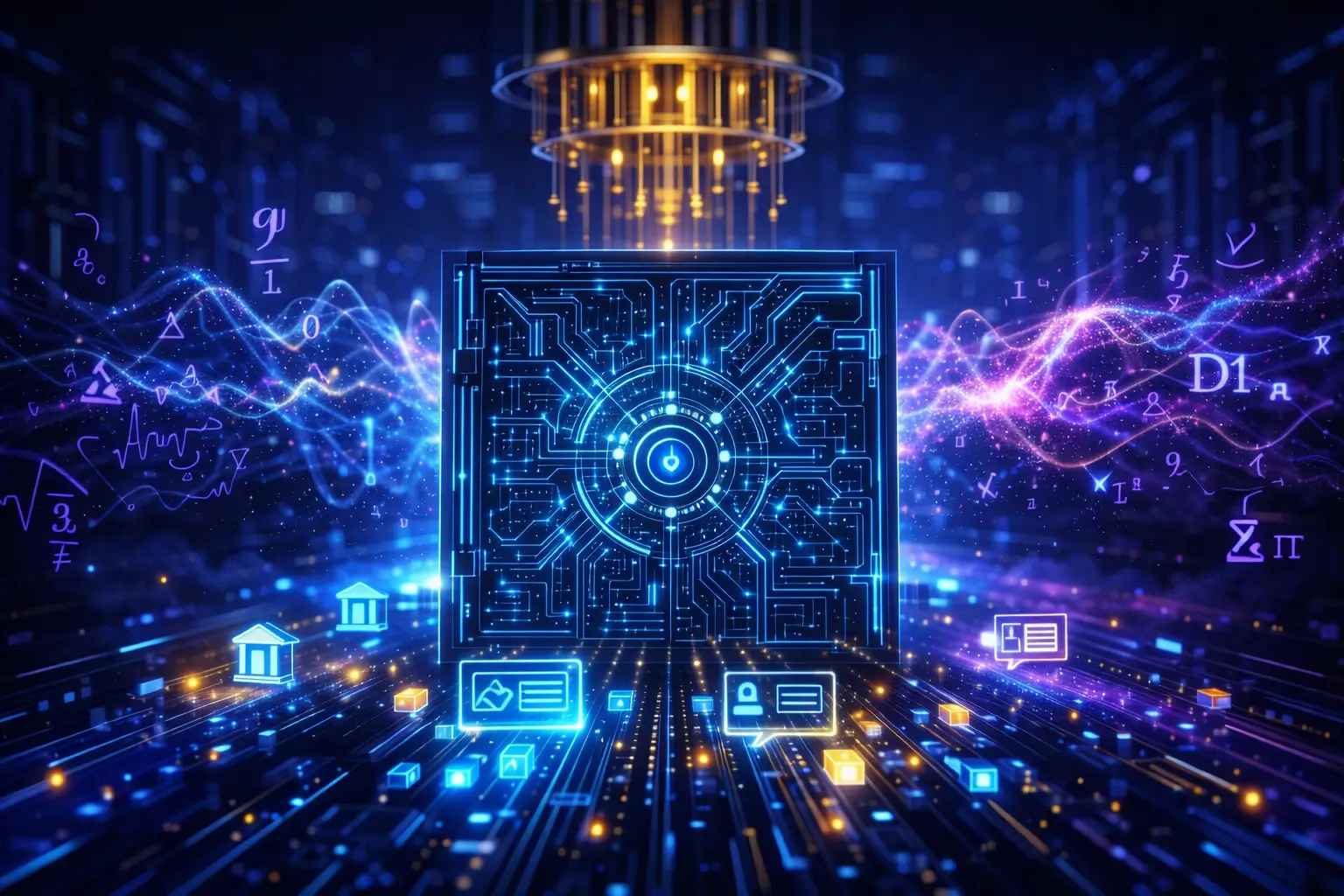
To understand the solution, we have to look at the problem. Traditional computers think in 1s and 0s. They are great, but they struggle with massive math problems. Quantum computers, however, use “qubits” to calculate multiple possibilities at once. Think of it like this: a regular computer tries every door in a maze one by one; a quantum computer just walks through the walls.
Experts predict that within years, a powerful enough quantum computer could potentially compromise much of today’s public-key encryption. This isn’t just sci-fi anymore—it’s a looming deadline for our privacy that requires immediate attention from tech leaders and users alike.
What is Post-Quantum Encryption?
The name sounds like something out of a Marvel movie, but the concept is grounded in advanced mathematics. Post-Quantum Encryption refers to new cryptographic algorithms that are designed to be secure against both traditional computers AND quantum computers.
The beauty of PQE is that we don’t need a quantum computer to use it. We can run these super-secure “locks” on our current laptops and smartphones today. It’s like installing a high-tech security system on your existing house before the burglars get better tools.
How PQE Works: The Math of the Future
Instead of relying on the difficulty of factoring large prime numbers (which quantum computers are scary-good at), PQE uses different math puzzles. The National Institute of Standards and Technology (NIST) has already identified several frontrunners in this field.
Lattice-based Cryptography
This method involves hiding data inside complex multi-dimensional grids. An example of this is CRYSTALS-Kyber, a key-encapsulation mechanism that is being standardized for general encryption. It is incredibly difficult for even a quantum machine to navigate these “lattices” to find the hidden data.
Code-based Cryptography
This relies on using error-correcting codes to create a puzzle too messy for any computer to solve quickly. Alongside Kyber, CRYSTALS-Dilithium is another major player, specifically designed for digital signatures to ensure that the person sending a file is who they say they are.
Why PQE Matters Today: Harvest Now, Decrypt Later
You might think, “I don’t have a quantum computer, so why does this matter to me today?” Here is the reality: “Harvest Now, Decrypt Later.”
Cybercriminals and certain organizations are already stealing and storing encrypted data today, even if they can’t read it yet. They are waiting for the day they have a quantum computer to unlock it. Your medical records, personal identity, and long-term financial data could be at risk if we don’t switch to Post-Quantum standards immediately.
The Future of Digital Security
The good news? The world is moving fast. We are seeing a fundamental shift in how we define trust online. Transitioning to a Digital Fortress isn’t just an IT upgrade; it’s a necessity for 2026 and beyond.
In 2026, choosing services that support post-quantum security will be as important as choosing HTTPS was in the 2010s. As more platforms adopt NIST-standardized algorithms, the internet will become a safer place for everyone.
Final Thoughts
“Post-quantum encryption is not about preparing for tomorrow’s computers. It’s about protecting today’s data from tomorrow’s threats.”
Privacy is a human right, but in the digital age, it’s a right we have to actively defend. Post-Quantum Encryption is our best chance at staying one step ahead of the curve. By adopting these new standards, we ensure that our personal lives, our finances, and our secrets remain exactly that—secret.
Related Guide: How to Build an AI-Driven Investment Portfolio in 2026 (Beginner’s Step-by-Step Guide)